- Are Insects Attracted to Moisture? How Humidity and Damp Areas Drive Pest Problems
- Key Takeaways:
- Insects That Love Moisture, Season by Season
- Which Pests Moisture Attracts and Why
- Where to Check for Moisture-Loving Pests
- Clogged Gutters: An Easy-to-Miss Moisture Problem
- Outdoor Moisture: Vegetation, Water Features, and Drainage
- Getting Rid of Moisture-Loving Pests
- Stop Giving Moisture-Loving Pests What They Need
- Moisture and Pests FAQs
Are Insects Attracted to Moisture? How Humidity and Damp Areas Drive Pest Problems
If you've noticed more bugs after a rainy stretch, it's not a coincidence. Moisture is one of the biggest pest attractants in SC and western NC homes, and our region makes the problem worse than most. The clay-heavy soil common across the Carolinas retains moisture longer than sandier soil types, which means the ground around your foundation stays damp well after rain stops. Combined with warm temperatures, high ambient humidity, and the lakes, ponds, and marshland that sit close to so many homes in this region, that adds up to near-ideal conditions for moisture-loving pests almost year-round. Here's which insects those conditions draw in, where they're most likely to be hiding in and around your home, and how to make your property less inviting.
Key Takeaways:
- Moisture is one of the most consistent pest attractants in SC and western NC and the region's clay-heavy soil makes it harder to manage than in drier parts of the country.
- Multiple pest species depend on humidity or standing water to survive and reproduce, from mosquitoes and cockroaches to silverfish, termites, and psocids.
- Not all spiders are moisture-seekers. Cellar spiders and fishing spiders are, but brown recluse and black widow spiders actually prefer dry environments.
- Clogged gutters are one of the most overlooked moisture sources around a Carolina home, and one of the easiest to fix.
- Reducing moisture indoors and out is one of the most effective pest prevention steps a homeowner can take, regardless of the species involved.
Insects That Love Moisture, Season by Season
The Carolinas' humid conditions attract different moisture-loving pests depending on the time of year:
- Spring (February–April): Ants, mosquitoes, and fire ants become active as temperatures climb and standing water accumulates from spring rains
- Summer (May–October): Fire ants, mosquitoes, silverfish, and cockroaches peak; this is when humidity levels are highest and moisture-driven pest pressure is at its most intense
- Fall (November): Mosquitoes linger as long as temperatures allow, while crickets and camel crickets seek out damp indoor areas as outdoor conditions cool
- Winter (December–January): Indoor-nesting ants and cockroaches move deeper into the structure, gravitating toward warm, damp spots like crawlspaces and wall voids
Which Pests Moisture Attracts and Why
Here's a closer look at the species most commonly involved and what specifically draws each one in:
Ants and Carpenter Ants
Carpenter ants are specifically drawn to damp or rotting wood, which makes moisture-damaged framing, leaky window sills, and wet crawlspace beams prime nesting sites. Other ant species are more broadly attracted to moisture sources near sinks, drains, and under-cabinet plumbing.
Mosquitoes
Mosquitoes require standing water to breed and can lay eggs in amounts as small as a bottle cap's worth. Homes near ponds, lakes, or low-drainage yards face the heaviest pressure, but clogged gutters and forgotten containers can create breeding sites right on your property.
Cockroaches
Cockroaches need water to survive and will seek it out aggressively in kitchens, bathrooms, and basements. They're remarkably resilient – capable of holding their breath for extended periods to navigate through moist environments and squeeze through even small gaps near plumbing.
Silverfish
Silverfish require high humidity levels, typically above 70%, to thrive. They feed on mold, organic matter, paper, and even fabric, which is why they turn up in damp closets and behind failed bathroom caulking as often as they do in basements.
Crickets and Camel Crickets
Both seek out moist environments like basements and crawlspaces where they can stay hydrated and reproduce through the cooler months. Camel crickets in particular, the large, humpbacked species common in Carolina crawlspaces, are almost exclusively found in areas with high moisture.
Termites
Damp wood is both a food source and a structural vulnerability for subterranean and dampwood termites. A chronically wet crawlspace or a section of water-damaged framing is exactly the kind of access point a termite colony looks for.
Rodents
Rodents are active year-round and are typically found near reliable moisture sources: basements, crawlspaces, and anywhere with a consistent water supply nearby.
Psocids (Booklice)
Psocids are tiny, soft-bodied insects that feed on mold, fungi, and the paste used in wallpaper and book bindings. Their presence almost always signals a hidden humidity problem – if you're finding them in damp books, along wallpaper seams, or in paper storage areas, the moisture source is the real problem to address.
Springtails
Springtails are tiny jumping insects that appear around bathtubs, sinks, or shower enclosures when caulking has failed and water has accumulated inside the wall. They're a reliable early signal of a hidden moisture problem worth investigating.
Where to Check for Moisture-Loving Pests
Moisture doesn't stay in one place. These are the areas inside your home most likely to harbor pest activity:
Attics
Poor ventilation and roof leaks allow moisture to collect in attics, making them attractive to rodents, silverfish, and carpenter ants looking for damp wood to nest in.
Basements
Damp, dark basements are a reliable environment for cockroaches, rodents, crickets, and termites. Any basement that smells musty or shows signs of water intrusion deserves a closer look.
Bathrooms
Cockroaches and silverfish are regularly found in bathrooms where moisture collects on walls, floors, and ceilings. Failed caulking around tubs and showers is a common but overlooked entry point for water and the pests that follow it.
Crawlspaces
This is the highest-risk area for most Carolina homes, and the clay-heavy soil throughout the region makes it worse. Clay retains moisture longer than sandier soils, which means crawlspace humidity stays elevated well after rain events and can be difficult to manage without professional help. Excessive moisture in the crawlspace attracts termites, rodents, and wood-destroying fungi, and can compromise the structural integrity of the home itself. Vapor barriers, drainage systems, and crawlspace encapsulation are among the most effective long-term solutions.
Kitchens
Ants and cockroaches gravitate toward kitchen moisture sources: under sinks, around drains, and anywhere plumbing connections have developed slow leaks.
Laundry Rooms
The combination of warm air, occasional damp floors, and pipe penetrations makes laundry rooms a less obvious but reliable moisture source for humidity-seeking pests.
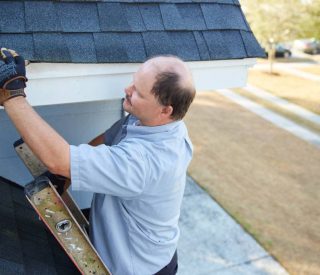
Clogged Gutters: An Easy-to-Miss Moisture Problem
Gutters are one of the most commonly overlooked sources of pest-attracting moisture on a Carolina property. Here's what happens when they're neglected:
- Standing water trapped in clogged gutters becomes a direct mosquito breeding site – larvae can develop right in the gutter itself, not just in the yard below
- Decomposing leaves and organic debris serve as nesting and food material for carpenter ants and cockroaches
- Overflow runs down fascia boards and causes wood rot – one of the most attractive nesting sites a carpenter ant can find
- Pooling water along the foundation creates the damp soil conditions that draw subterranean termites toward the structure
Keeping gutters clear and directing water away from the foundation is one of the highest-return maintenance steps a homeowner can take for pest prevention.
Outdoor Moisture: Vegetation, Water Features, and Drainage
The battle against moisture-driven pests doesn't stop at the exterior wall:
- Heavy vegetation against the house traps moisture against the siding and foundation, and gives pests a direct route into the structure that bypasses perimeter treatment
- Overgrown shrubs and tree branches touching the roofline act as a pest highway: ants, cockroaches, and rodents use them to reach entry points above treated areas
- Thick mulch or pine straw piled against the foundation holds moisture and provides harborage for ants, cockroaches, and termites
- Standing water in flower pots, birdbaths, wheelbarrows, or forgotten containers sustains mosquito breeding cycles – empty or remove them regularly
- Sprinklers aimed toward the house and poorly graded soil that pools near the foundation both introduce moisture directly where it causes the most pest pressure
Getting Rid of Moisture-Loving Pests
Addressing moisture is the first step. Here's where to focus inside the home:
- Inspect pipes under sinks and around toilets regularly, as even a slow drip creates conditions that attract pests over time
- Check caulking around bathtubs and showers for breaks or gaps; failed caulk allows water to accumulate in wall voids where silverfish and springtails often end up
- Run exhaust fans in bathrooms, kitchens, and laundry rooms to reduce humidity
- Use a dehumidifier in the basement or crawlspace to keep relative humidity below 50%
- Seal cracks and gaps around windows, doors, and utility penetrations to keep pests outside
Stop Giving Moisture-Loving Pests What They Need
Most moisture-driven pest problems are solvable once you know where to look, but crawlspace conditions and clay-heavy Carolina soil often need professional help to fully resolve. Terminix Service, Inc. has been protecting SC and western NC homes for over 75 years. Whether it's vapor barriers, foundation vents, drainage systems, or a complete crawlspace encapsulation and dehumidification, our team will find the right solution. Request your free inspection today.
Moisture and Pests FAQs
Only certain species are: cellar spiders and fishing spiders are genuinely drawn to damp environments like basements and crawlspaces, while brown recluse and black widow spiders actually prefer dry conditions, so finding those species in your home isn't a moisture signal.
What are psocids, and why do I have them?
Heavy rain saturates the soil, raises humidity levels, and expands standing water sources – all of which drive moisture-dependent insects like mosquitoes, ants, and cockroaches to seek higher, drier ground, which often means moving toward or into your home.
How often should I clean my gutters to reduce pest pressure?
At minimum twice a year, once in late spring and once in fall after leaves have dropped, though homes surrounded by trees may need more frequent cleaning to prevent the standing water and debris buildup that attract mosquitoes, carpenter ants, and cockroaches.
Does a damp crawlspace really affect pest activity throughout the whole house?
It does: a wet crawlspace creates the conditions subterranean termites, rodents, and wood-destroying fungi need to establish and expand, and the clay-heavy soil common across the Carolinas makes crawlspace moisture harder to manage here than in regions with better-draining soil.
Can I solve a moisture pest problem by just spraying for insects?
Treating the pest without addressing the moisture is usually a short-term fix – the same conditions that drew the pests in will continue to attract them, which is why moisture management and pest control work best when addressed together.
What's the most effective thing a homeowner can do to reduce moisture-driven pest activity?
Keep gutters clear and directed away from the foundation, and manage crawlspace humidity – those two steps eliminate some of the most productive pest habitats on a typical Carolina property and give any professional treatment a better chance of holding long-term.